

A crow has a say about Halloween
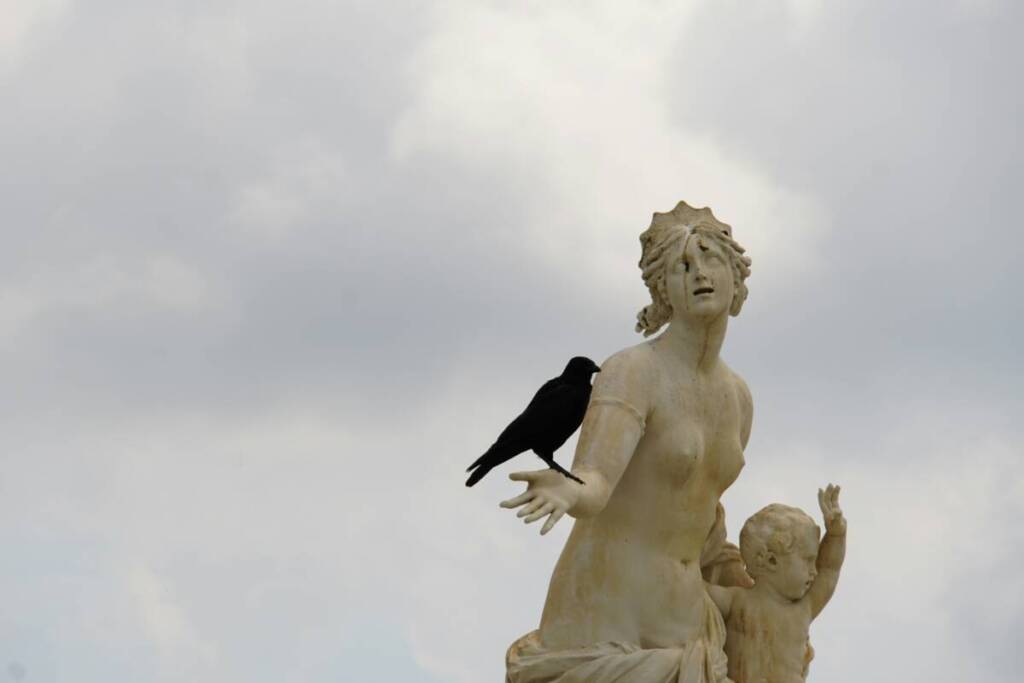
Here we go again. October sees the arrival of all things presumably spooky, including us crows. Forgive me this little rant, but I’ve had it with your wildly inaccurate black silhouettes of crows and ravens (you can’t seem to tell the difference) perched on gravestones or in craggy trees in front of whole moons.
First off, we’re neither nocturnal nor all black. In UV light, we’re gorgeously multicolored. Second of all, we’re not particularly attached to your dead. We’re performing a public service when we scavenge animal corpses, including those poor souls who died in your plagues and battles. Naturally, we go for the eyeballs. Our beaks aren’t made for breaking flesh.
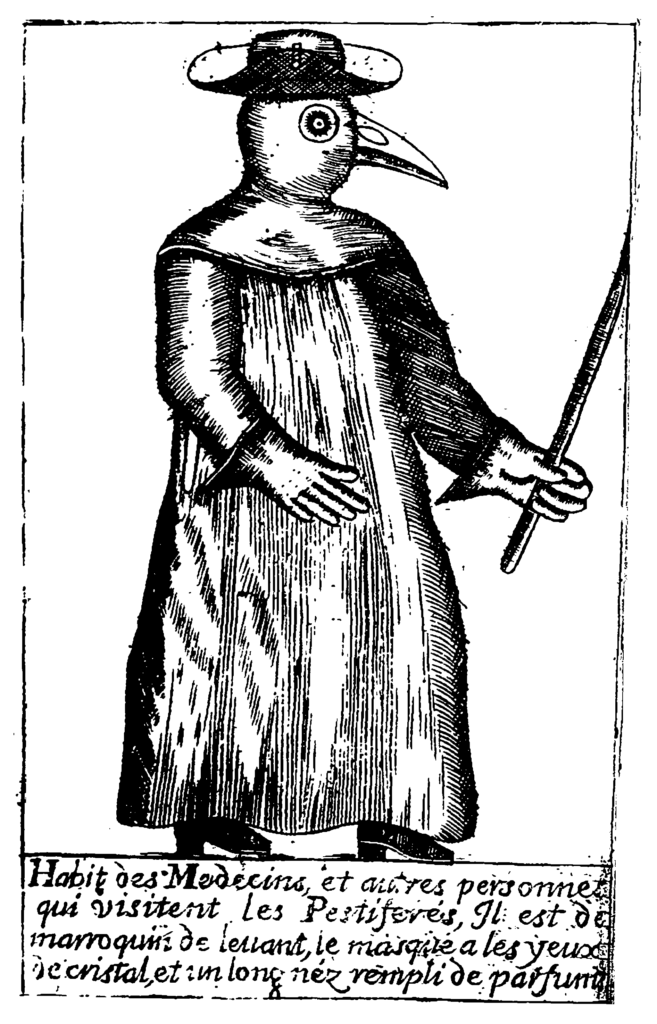
We’re just birds taking advantage of a food source while doing valuable clean-up. A win-win. But you scorn us for it, slandering us with that “harbinger of death” nonsense. Come Halloween, we’re typecast in the worst way, along with bats, spiders, owls, and black cats.
Okay, black cats, I can see. Actually any color of cat. Sneaky, murderous creatures slinking their way into human homes. One half purr puddle, the other half serial killer. I’m no fan of owls, either, but at least they eat the birds and rodents they hunt.
Anyway, back to Halloween or Samhain (pronounced sow-in). Blame the ancient Celts for believing that on Oct. 31, ghosts of the dead took advantage of the year’s most permeable barrier separating them from the living.
Bring on the myths and superstitions. You humans are so ridiculously superstitious! And we pay the price. Consider that rhyme about us (or magpies, depending on the region). I’ve supplied variations in parentheses:
One for sorrow;
Two for joy (or luck or mirth);
Three for a wedding (or a girl);
Four for a birth (or a boy or death);
Five for silver;
Six for gold;
Seven for a secret never to be told,
It goes on, but I want to call your attention to number four. Could you really not make up your minds between a birth, a son, and DEATH? Come on!
Here’s what those numbers mean to us. One for an unmated crow. Two for a mated pair (we mostly mate for life). Three for a pair plus one offspring. Four for a pair plus two offspring. You get the picture. We’re family birds. Six or seven would be large family, but not unheard of. Bigger groups, aka murders, indicate a food bonanza or a pre-roost social gathering.
I must take issue with the term “murder.” Unlike humans, we don’t kill for the thrill or malice of it. If we kill, it’s for food or to remove a sick or injured bird who might attract a predator. We gather, especially in winter, because we’re safer in numbers, and you learn things, like the best lawns for digging up grubs.
We mostly use our beaks for said digging and breaking into the occasional food delivery. Our talons are for grabbing a perch, not prey. Sure, it might hurt a little when we dive bomb your head if you walk too close to our nests, but we don’t do any real damage.
Not like an owl or an eagle.
Speaking of eagles, killing and scavenging is a way of life for them, yet they’re revered, particularly in the US. I will admit they’re handsome with their white heads, piercing eyes and curved beaks. But their calls are decidedly whimpy, whereas ours are strong and persistent enough to, well, wake the dead.
But, let’s be clear, our caws are NOT the voices of lost souls, as some would have you believe. We caw to communicate to our fellow crows and warn of threats, like the presence of a murderous purr puddle.
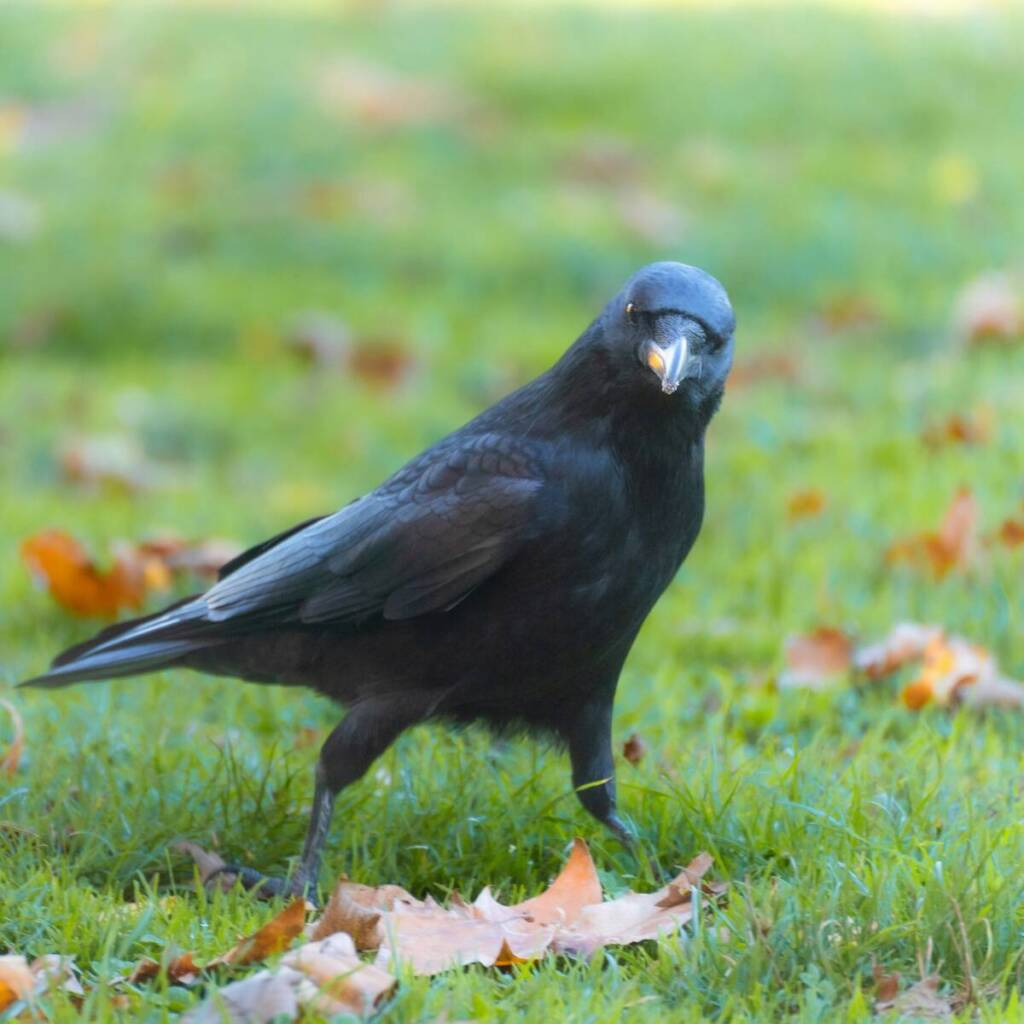
Part of our PR problem may have to do with us constantly being confused with our antisocial cousin, the common raven. In art and literature we’re practically interchangeable, yet there are BIG differences, starting with size. Ravens are 30 to 50 percent larger than American crows, have bigger beaks, unkempt neck feathers, and a diamond-shaped tail in flight. Our tail feathers form a lovely fan shape. They croak. We caw. They want to be alone or maybe paired off. We’re social and, I would argue, way more fun.
Edgar Allan Poe got it right when he chose a raven to drive that poor man insane with a single repeated word: “Nevermore.” Had a crow come to visit, he or she might have engaged in a little conversation or at least asked for snacks.
Of course, both of us corvids are incredibly smart.
Maybe that’s why you find us so unsettling. You see us watching you with our shiny “black” eyes, and you assume we’re up to no good.
Here’s the deal. Yes, we watch, just as you watch your fellow humans to gauge friend or foe. And we take notice, just like you do, and pass that information down our young. If you capture us, shoot us, or otherwise piss us off, we will remember you. Likewise, if you’re kind and throw us a peanut or two, we might bless you with our company and even a gift.
We hear you like shiny things.
All I ask this Halloween season is that you see us how we truly are: remarkably bright, resilient and attractive birds who are just trying to survive and get a little respect.
Thank you. That is all for now.
If you enjoyed this guest post from my crow friend, spread the word and maybe check out my new novel, Shade of Wings. It’s about a family of NYC crows struggling to survive the outbreak of West Nile virus during the sizzling spring/summer of 1999. You can find me at Home – Pam J. McGaffin Author – The Leaving Year and on Substack @pammcgaffin.


